

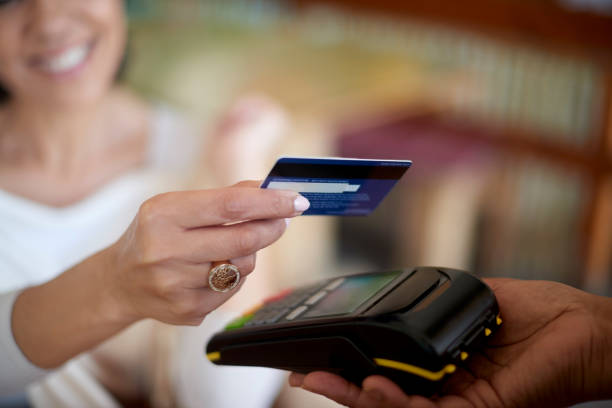
Credit card cashing refers to various methods of obtaining cash through available credit on a credit card. People may consider these services when they need access to funds for short term expenses. However, different methods can involve different fees, contractual conditions, and financial risks.
Understanding how credit card cashing works and what to consider before using a service can help users make more informed financial decisions.
What Is Credit Card Cashing
Credit card cashing generally involves converting some portion of available credit into cash. Depending on the method, this can involve a direct cash advance or transactions involving goods, services, or other permitted financial products.
The exact process varies between countries, card issuers, and service providers. Users should always confirm whether a particular method is permitted under their credit card agreement.
Common Credit Card Cashing Methods
Credit Card Cash Advance
A cash advance is an authorized feature offered by some credit card issuers. It allows eligible cardholders to withdraw cash against their available credit.
Cash advances can involve transaction fees and interest charges. The interest rate may also differ from the rate applied to ordinary purchases.
Authorized Financial Services
Some financial services may provide legitimate ways to access funds using a credit card. The terms and availability depend on the provider and local regulations.
Users should verify that the service is properly authorized and clearly explains all applicable costs.
Card Based Transactions
Some arrangements involve using a credit card for a genuine purchase and subsequently receiving value in another form. Users should be cautious about transactions that are designed primarily to circumvent the normal purpose of a card purchase.
A card issuer may prohibit certain transaction structures, even when they appear simple or convenient.
Important Things to Consider
Fees and Charges
The total cost should be considered before using a credit card cashing service. Possible expenses can include transaction fees, service charges, interest, and other costs.
A low initial fee does not necessarily mean that the overall transaction is inexpensive.
Repayment Requirements
Money obtained through credit remains a financial obligation. Users should understand when repayment is due and how interest will be calculated.
Creating a repayment plan before accessing additional credit can help prevent unexpected financial pressure.
Credit Utilization
Using a significant portion of a credit limit can increase credit utilization. Depending on the user’s financial circumstances and credit reporting system, a higher utilization level may affect their credit profile.
Users should therefore consider how a cashing transaction could change their overall outstanding balance.
Card Issuer Rules
Every credit card issuer can have specific rules concerning cash advances, purchases, transfers, and other transactions.
Before using any cashing method, users should review their card agreement and contact the issuer if the transaction is unclear.
Provider Transparency
A legitimate service should clearly explain its fees, transaction process, terms, and customer requirements.
Users should be cautious when a provider avoids explaining costs or requests unusual personal or financial information. The site provides information related to 카드현금화 and explains considerations that may be relevant to users.
FAQs
What is credit card cashing
Credit card cashing describes methods of accessing cash through available credit on a credit card. The specific method and applicable rules depend on the service, card issuer, and local regulations.
Is a credit card cash advance the same as credit card cashing
A cash advance is one authorized way of obtaining cash from available credit. The broader term credit card cashing can refer to several different methods, some of which may not be permitted by a card issuer.
Are credit card cashing services expensive
Costs vary depending on the method. Users may encounter transaction fees, service charges, and interest. The total repayment cost should be calculated before proceeding.
Can credit card cashing affect my credit profile
It can depending on the resulting balance, credit utilization, repayment behavior, and the policies of the relevant card issuer and credit reporting system.
How can I check whether a cashing method is permitted
The safest approach is to review the credit card agreement and ask the card issuer whether the proposed transaction is permitted. Users should avoid relying solely on claims made by a third party.
What should I check before using a credit card cashing service
Important factors include the total cost, interest rate, repayment requirements, provider transparency, data security, and whether the transaction complies with the card issuer’s rules and applicable laws.
Is credit card cashing a loan
It depends on the particular method. A cash advance uses available credit and creates a repayment obligation, while other cash conversion arrangements may have different structures. Users should examine the specific terms rather than assuming that all methods work the same way.
Can I use credit card cashing for emergency expenses
Accessing available credit may provide funds for an urgent expense, but users should consider the total cost and their ability to repay the balance. Authorized financial alternatives may also be worth comparing.
Summary
Credit card cashing methods can differ significantly in terms of process, cost, and contractual requirements. Authorized cash advances and other legitimate financial services may provide access to funds, but fees and repayment obligations should always be considered.
Before proceeding, users should verify the legality of the transaction, review their card issuer’s rules, understand the complete cost, and make sure they have a realistic repayment plan.
